
This study investigated the impact of African elephants on woody vegetation in Kruger National Park, South Africa, using satellite-based remote sensing data to measure changes in vegetation cover and tree height between 2007 and 2022. Contrary to concerns that elephants are causing widespread vegetation loss, the findings showed an overall increase in woody vegetation across the park.
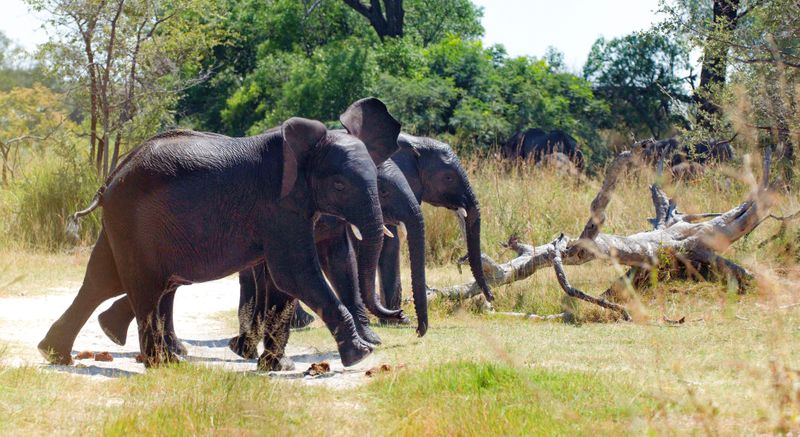
Elephant in the Kruger Park (Photo: Don Pinnock)
However, localized areas, particularly along perennial rivers and on fertile soils, experienced declines in woody cover and large tree height, with elephants likely contributing to these losses, either independently or alongside factors such as floods and fire. Although the researchers found no overall correlation between increasing elephant densities and vegetation loss across the park, they identified areas where local elephant densities and vegetation declines were both notable.
The study highlights the importance of combining local knowledge with satellite data to identify vulnerable areas and inform targeted, adaptive conservation management that balances elephant populations with the long-term health and resilience of savanna ecosystems.
Full study: https://esajournals.onlinelibrary.wiley.com/doi/10.1002/eap.70208